Source Genuine Leather Electrician Tool Purse for Tools, Hardware, and Repair
Compare 30 verified options for the genuine leather electrician tool purse, featuring varying capacities from mini to big sizes and customization support. Buyers can evaluate specifications like waterproofing, shockproofing, and bearing capacity across different models from Chinese manufacturers.
Key considerations
Products List


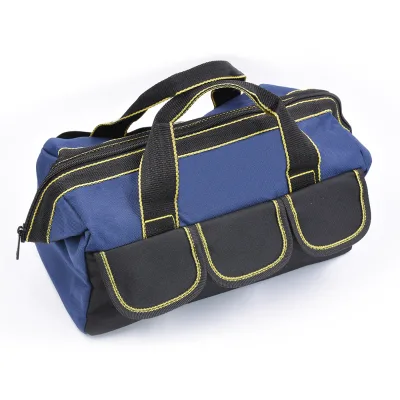


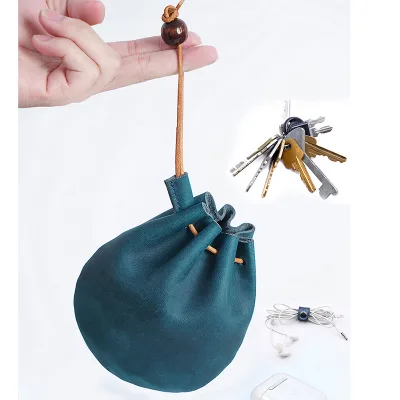


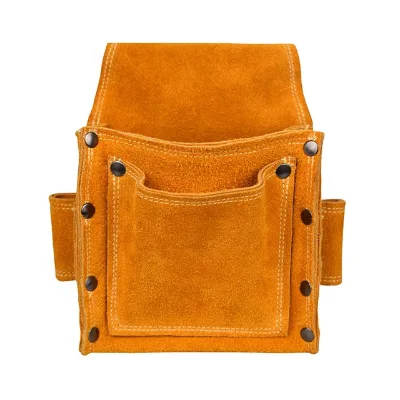
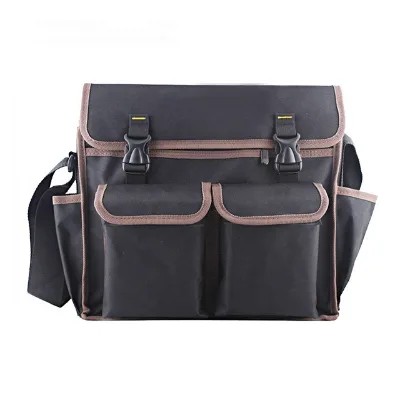
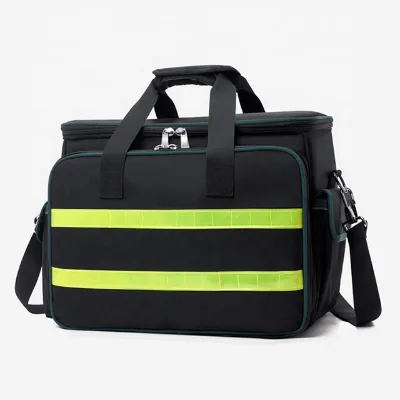
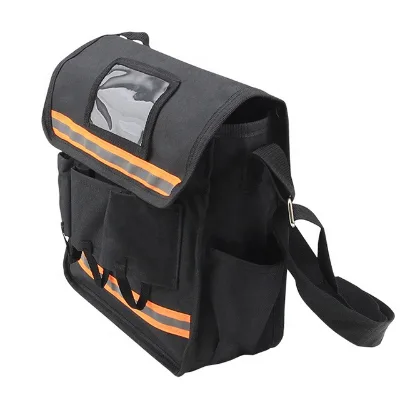


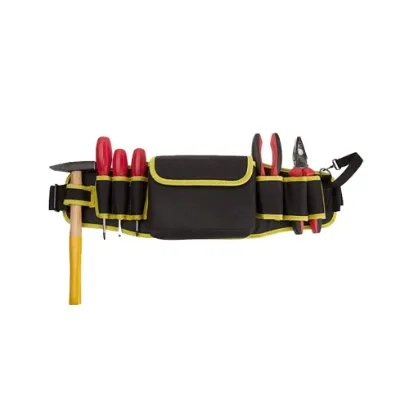
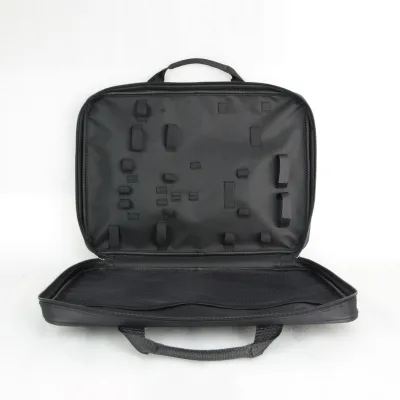

Comprehensive Sourcing Guide
Strategic Sourcing Guide for Genuine Leather Electrician Tool Purses
The procurement of genuine leather electrician tool purses represents a specialized segment within the broader industrial tool storage market. Unlike standard canvas or synthetic nylon bags, this category demands a rigorous evaluation of material integrity, craftsmanship, and functional design tailored to high-value electrical equipment. Buyers entering this space must navigate a landscape where product attributes vary significantly between suppliers, often mixing synthetic alternatives with authentic leather offerings. This guide synthesizes available market data to provide a disciplined framework for sourcing, ensuring that procurement decisions are grounded in verified product specifications rather than marketing assertions.
Material Verification and Construction Standards
The primary differentiator for this product category is the material composition. While the broader market includes polyester and synthetic options, the specific keyword "genuine leather" necessitates a strict verification protocol. Market observations indicate that some listings for tool bags specify polyester as the primary material, while others explicitly claim genuine leather. This discrepancy requires the buyer to demand physical samples or detailed material certificates before placing an order. Genuine leather offers superior durability, resistance to abrasion, and a professional aesthetic that synthetic materials cannot fully replicate. However, it also introduces variables regarding water resistance and weight.
When evaluating construction, buyers must look for specific structural attributes. The observed product data highlights a "Medium Soft" hardness rating, which suggests a balance between rigidity for tool protection and flexibility for portability. The shape is typically described as "Horizontal Square," optimizing the internal volume for rectangular electrical components. A critical functional attribute observed is "Waterproof" capability. While leather is naturally porous, high-quality electrician tool purses in this category often feature treated leather or integrated waterproof linings to protect sensitive electronics from moisture. The "Shockproof" function is another essential specification, indicating that the bag must absorb impact to prevent damage to delicate tools during transport.
Technical Specifications and Capacity Metrics
Understanding the physical dimensions and capacity of the tool purse is vital for matching the product to specific toolkits. The market data reveals a wide variance in specifications, ranging from "Mini Capacity" to "Big Capacity." For instance, specific model observations show dimensions such as 25155 CM for smaller units, while larger variants reach 512823 CM. The bearing capacity also fluctuates, with some units rated for 3-10 kg and others exceeding 10 kg. This variation underscores the importance of defining the exact load requirements before sourcing.
The weight of the product itself is a significant factor in logistics and user ergonomics. Observed gross weights range from 0.5-1 kg for lighter models to over 10 kg for heavy-duty single packages. A single package size of 42X30X20 cm is noted for specific models, indicating a substantial footprint. Buyers must verify if the "Big Capacity" designation aligns with their actual tool inventory. Furthermore, the "Single Shoulder" style is a common configuration, designed for hands-free mobility on job sites. However, for heavier loads exceeding 10 kg, the structural integrity of the shoulder strap and the distribution of weight become critical safety considerations.
Functional Versatility and Usage Scenarios
The utility of a genuine leather electrician tool purse extends beyond simple storage; it is designed for specific professional environments. The observed usage categories include "For USB Tools," "For Hardware Tools," "For Hand Tools," "For Electrical Tools," and "For Car Repair Tools." This multi-purpose capability suggests that the internal organization must be adaptable. The presence of "Multi Pockets Storage" is a recurring keyword, implying that the bag should feature specialized compartments to separate conductive tools from non-conductive items, a safety necessity for electricians.
The "All" season attribute indicates that these products are designed for year-round use, requiring materials that can withstand temperature fluctuations without cracking or becoming brittle. The "Unisex" gender classification ensures that the design is inclusive for all professionals. Additionally, the "Hand-Held" and "Single Shoulder" styles cater to different working postures. An electrician might prefer a hand-held configuration for quick access in tight spaces, while a contractor moving between sites might opt for the shoulder style for extended periods of transport. The "Electrician Tool Bag" product name confirms the specialized intent, but the "Mulit-purpose" function suggests that these bags often serve broader maintenance roles as well.
Customization and Branding Capabilities
In the B2B sector, customization is often a prerequisite for successful procurement. The available data confirms that "Customization" is available, with specific support for OEM (Original Equipment Manufacturer) and ODM (Original Design Manufacturer) services. This allows companies to brand the tool purse with their corporate logo, which is crucial for professional identity and asset tracking. The "Accept Customized Logo" attribute is explicitly noted, alongside "Accept Customzied Size," indicating flexibility in dimensions to fit unique toolkits.
However, buyers must be cautious regarding the "Brand Name" field. While some listings mention specific brands like "MICV," many generic listings do not. This suggests a market where private labeling is common. The "Warranty" is listed as "other," which is a vague term requiring clarification. Buyers should negotiate specific warranty terms regarding material defects, such as leather cracking or stitching failure, rather than accepting generic statements. The "Polybag" packing method is standard for individual units, but bulk packaging requirements should be discussed separately to ensure protection during transit.
Supplier Evaluation and Origin Analysis
Geographic origin plays a significant role in the supply chain dynamics of this product category. The data points to two primary manufacturing hubs: "Zhejiang, China" and "Jiangsu, China." Both regions are known for their textile and leather processing industries. Zhejiang is particularly noted for a high volume of general merchandise and packaging solutions, while Jiangsu often specializes in more technical or industrial-grade goods. When evaluating suppliers from these regions, buyers should verify the specific factory capabilities regarding leather tanning and finishing, as the quality of the leather depends heavily on local processing standards.
The "MOQ" (Minimum Order Quantity) varies widely, ranging from as low as 2 units to 3000 units. Some specific models list an MOQ of 1000 pcs, which is typical for OEM projects. This variance allows buyers to test the market with small batches or commit to large-scale production runs. However, the "Single package gross weight" of 10.0 kg for certain models indicates that shipping costs will be a significant cost driver. Buyers must calculate the landed cost, including freight, by considering the density and weight of the specific model selected. The "Suite Quantity" being less than 10 sets suggests that these are often sold as individual units rather than in pre-packaged sets, requiring careful inventory planning.
Quality Control and Compliance Verification
Ensuring product quality requires a systematic approach to verification. Since the "Hardness" is observed as "Medium Soft," buyers should test the material's resilience to ensure it does not deform under the weight of heavy tools. The "Waterproof" and "Shockproof" claims must be validated through independent testing or detailed product data sheets. While the data lists these as attributes, they are not universally guaranteed across all listings. For instance, one model is listed as "Waterproof" while another is not, highlighting the need for item-specific verification.
Compliance checks should focus on the materials used. If "Genuine Leather" is the requirement, buyers must ensure the supplier can provide documentation proving the leather is not a synthetic substitute. The "prod_standard" dimensions (e.g., 452210CM, 301925cm) serve as a baseline for quality control inspections. Any deviation from these standard dimensions in the final product could indicate a manufacturing error. Additionally, the "Color" variations, such as "Blue" or "Bule" (noting the potential typo in source data), must be strictly controlled to match the buyer's specifications. The "Keyword" "Multi Pockets Storage Tool Bag" implies that the internal layout must be robust; buyers should inspect the stitching and pocket reinforcement to ensure they can withstand the friction of metal tools.
Long-Term Procurement Considerations
Sourcing genuine leather electrician tool purses is not merely a transactional activity but a strategic decision impacting long-term operational efficiency. The "Gross Weight" and "Bearing Capacity" directly influence the fatigue levels of the workforce. A bag that is too heavy or lacks adequate shock absorption can lead to increased wear and tear on tools and potential injury to the user. Therefore, the selection process should prioritize ergonomic design and durability over initial cost savings.
The "All" season attribute suggests that the product is an investment for year-round use, making the longevity of the leather treatment a key factor. Buyers should inquire about the specific tanning process and any protective coatings applied to the leather to ensure it resists water, oil, and abrasion. The availability of "OEM, ODM" support allows for long-term partnerships where the product can evolve with the company's changing tool requirements. Finally, the "Warranty" terms should be clearly defined in the contract to protect against premature failure, ensuring that the supplier stands behind the quality of the genuine leather and the construction integrity of the bag.
FAQs
What materials are used for genuine leather electrician tool purses?
Genuine leather is a primary material option for these tool bags, though some listings specify polyester. Buyers must verify material certificates to ensure authenticity, as synthetic alternatives are common in the broader market.
Can these tool bags handle heavy electrical equipment loads?
Yes, specific models support bearing capacities ranging from 3-10 kg to over 10 kg. Users should select units based on their specific tool weight requirements to ensure structural integrity during transport.
How do dimensions vary across different electrician tool bag models?
Dimensions vary significantly, with observed sizes including 25*15*5 CM for mini capacity and 51*28*23 CM for larger units. Buyers should match the physical footprint to their specific toolkit inventory needs.
Which customization options are available for branded tool bags?
Customization is available with support for OEM and ODM services, including customized logos and sizes. This allows companies to brand the bags with corporate identity while adapting dimensions to unique toolkits.
Where are genuine leather electrician tool purses typically manufactured?
Manufacturing origins are primarily located in Zhejiang and Jiangsu, China. These regions are known for textile and leather processing, offering varied supply chain options for industrial tool storage products.
What is the minimum order quantity for these tool bags?
Minimum order quantities range widely from 2 units up to 3000 units depending on the supplier and model. Some specific models require an MOQ of 1000 pieces for OEM projects.